Spring Clean Up, Spring Pruning, and Fall Clean Up Are Not the Same Job
Three different maintenance visits, each timed to a different point in the Cincinnati growing season, and each one covering for something the others can't.
September 22, 2026 · 4 min read
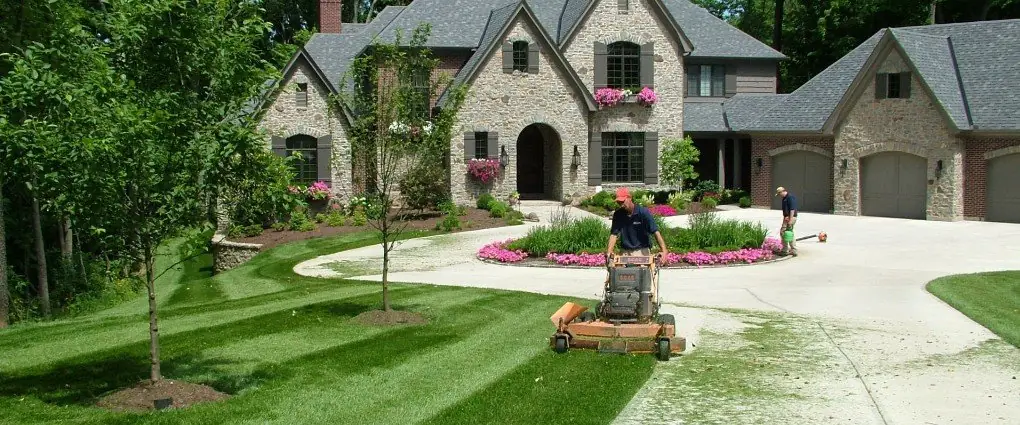
Three Visits, Three Different Jobs
Perrino Landscape's maintenance programs name three seasonal visits specifically: Spring Clean up, Spring Pruning, and Fall clean up. It would be easy to assume these are the same crew doing the same thing twice a year, but they're not interchangeable, and treating them as one job is exactly how a Cincinnati landscape starts to look neglected without anyone quite noticing why. Each visit is timed to a different point in the growing season and solves a different problem.
A yard that only gets a fall clean up, for instance, goes into winter tidy but comes out of it a mess, because nothing removed the winter's damage or reset the beds before new growth started pushing through. A yard that only gets spring work carries a full season of dropped leaves and dead perennial stalks into winter, which mats down over the lawn and smothers it by the time the snow melts.
Spring Clean Up: Resetting the Beds
Spring clean up in Cincinnati means clearing out what winter left behind, matted leaves, broken branches, the collapsed stalks of last year's perennials, before new growth gets buried under it. It's also when beds get edged again after a winter of frost heave blurring the line between lawn and mulch, and when a fresh layer of mulch goes down, usually two to three inches, enough to hold moisture and suppress weeds without piling mulch against stems and trunks, which invites rot.
This is also the point in the year to check what didn't make it through winter. A hydrangea that looks dead in March in Cincinnati is very often not dead, just late; a boxwood with brown, brittle foliage after a hard freeze usually is. Spring clean up is when that distinction gets made, before a homeowner rips out a shrub that would have leafed out fine, or leaves one in the ground that's already gone.
Spring Pruning: Timing Matters More Than People Think
Spring pruning is its own visit because pruning timing depends entirely on what's being pruned, and getting it wrong costs you a season of blooms or worse. Shrubs that flower on old wood, most hydrangeas and lilacs among them, set next year's buds right after this year's bloom fades, so pruning them at the wrong time of year cuts off flowers that haven't opened yet. Shrubs that flower on new wood can generally be cut back harder in spring without losing anything. Getting that distinction right, plant by plant, is the actual work of spring pruning, not just running a hedge trimmer over everything that's grown past the fence line.
Spring is also the right window to shape structural growth before it hardens off for the season, thinning crossing branches inside a shrub's canopy so air and light reach the interior, and cutting back winter dieback to a healthy bud before the plant puts energy into growth that's just going to get cut off later anyway.
Fall Clean Up: Preparing the Ground, Not Just Tidying It
Fall clean up looks, from the driveway, like the same kind of work as spring clean up, leaves off the lawn, beds cleared, but it's protecting the landscape for a season it can't see yet, not resetting one that just finished. Leaves left matted on turf through a Cincinnati winter block light and airflow to the grass underneath, and by the time they're finally cleared in spring there can be dead patches to reseed that a timely fall clean up would have prevented entirely.
It's also the point in the year to cut back perennials that go fully dormant, so their collapsing stalks aren't rotting into the crown of the plant over winter, while leaving seed heads on the varieties that offer winter interest or feed birds through the cold months. A good fall clean up is selective about that, not a blanket cutback of everything in every bed. Beds also get a final check for drainage before the ground freezes, since a low spot that pools water in November is the same low spot that will heave and crack in a February freeze thaw cycle.
What Goes Wrong When One Is Skipped
- Skip spring clean up and matted debris smothers new growth right as it's trying to come up
- Skip spring pruning and old-wood bloomers lose a year of flowers from a cut made at the wrong time
- Skip fall clean up and turf goes into winter already compromised, with bare or thin patches waiting in spring
None of these show up all at once. They show up as a landscape that's slowly falling a step behind itself, a lawn that's a little thinner every year, beds that look fine in June but ragged by August, shrubs that used to bloom and now just leaf out. Perrino's maintenance programs are built around all three visits together for exactly that reason: each one is covering ground the others structurally can't, on a Cincinnati calendar where the window for getting any one of them right is a matter of weeks, not months.
Perrino Landscape Inc, (513) 533-2300
Call (513) 533-2300More articles
The Master Plan Comes Before the First Shovel
One drawing of the entire property, made before any digging starts, is what keeps a multi-season landscape project from turning into a series of expensive guesses.
Designing the Light, Not Just Placing the Fixtures
Good landscape lighting is designed as light first and hardware second, which is the opposite of how most yards end up with a fixture at every corner.