Designing the Light, Not Just Placing the Fixtures
Good landscape lighting is designed as light first and hardware second, which is the opposite of how most yards end up with a fixture at every corner.
September 22, 2026 · 4 min read
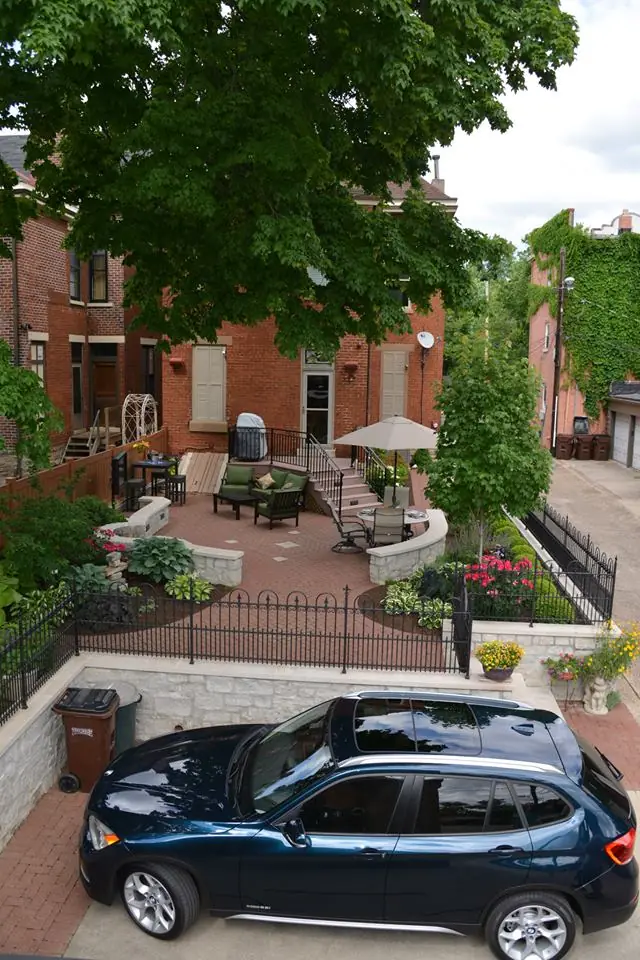
A Fixture Is Not the Same Thing as a Design
It's easy to buy landscape lighting the way you'd buy anything else off a shelf: pick a fixture you like, put one at the base of every tree and along every walkway edge, plug it in, and call it done. What you get from that approach is a yard with a lot of individual points of light and no real composition, the outdoor equivalent of a room lit by a dozen identical lamps instead of one that actually understands where the light needs to fall. Perrino Landscape designs lighting the other way around, starting from what should be lit and how, then choosing fixtures and placement to produce that effect.
That means asking real questions about a specific Cincinnati property before a single fixture gets specified: which tree has a canopy worth silhouetting from below, where a path actually needs enough light to walk safely at night without every step being lit like a runway, whether a stone retaining wall reads better grazed with light along its face or lit from above. The answers are different on every property, which is why a lighting plan that starts with the fixture catalog instead of the property tends to look the same everywhere it's installed.
Uplighting, Downlighting, and Grazing
Landscape lighting design generally works with a handful of techniques, and choosing the right one for each feature is most of the job. Uplighting a mature tree from below, placed a few feet out from the trunk, throws light up through the canopy and creates shadow and depth rather than flattening the tree into a silhouette. Downlighting, usually mounted higher in a tree or under an eave, casts a softer, more natural pool of light down onto a patio or path, closer to how moonlight actually falls. Grazing light runs close along a textured surface, a stone wall or a brick facade, so the surface's own texture creates the shadow pattern rather than the fixture itself being the visual focus.
A well designed system in Cincinnati usually mixes all three across one property, tree uplighting for depth, path downlighting for safety and softness, wall grazing for texture, rather than repeating one technique everywhere because it's simplest to install.
Kichler Design Pro LED and Why the Fixture Still Matters
Design comes first, but the hardware still has to hold up outdoors, year over year, through Cincinnati winters and humid summers, without corroding or clouding over. Perrino installs Kichler Design Pro LED fixtures, which carry a fifteen year warranty. That's a meaningful length of coverage for equipment that lives outside permanently, buried in mulch beds, mounted against masonry, or staked into turf that gets mowed around every week.
Every fixture is tested before it goes into the ground. That's a deliberately unglamorous step, checking connections, confirming output, catching a bad unit on the bench instead of after it's already wired into a low voltage run and buried under two inches of mulch. It's the kind of quality control step nobody sees in the finished yard, which is exactly why it's worth doing before the fixture disappears from view.
Low Voltage, Not Line Voltage
Landscape lighting systems like this run on low voltage, stepped down from household current through a transformer rather than wired directly at line voltage. That matters for a Cincinnati homeowner in a couple of concrete ways: low voltage wiring can be run through garden beds and under light mulch cover without the same electrical risk as line voltage cable, and it's simpler to reroute later if a bed gets reshaped or a tree comes down. A transformer sized correctly for the full fixture count on the run, with room to add a few fixtures later without overloading it, is part of getting the design right the first time rather than needing a second transformer bolted on beside the first.
Runs are also planned in zones rather than as one long daisy chain, so a run lighting the front walkway is wired separately from a run lighting the back patio and beds. That way one section can be adjusted, or a single fixture serviced, without pulling power from every other fixture on the property while the work is done.
What Good Lighting Actually Changes About a Property
The most noticeable difference between a well designed lighting system and a scattered one isn't how bright the yard is, it's how the property reads after dark. A front walk that's genuinely safe to use without every fixture competing for attention. A specimen tree that becomes the evening focal point instead of disappearing into the dark the way it does every night without light on it. A patio that stays usable for an evening outside well past sunset instead of going dark the moment the sun drops behind the house.
That's the actual goal of a lighting design for a Cincinnati property, not fixture count, and it's why the design step comes before the fixture gets chosen at all. A homeowner who lives with a well designed system tends to notice it least on the nights they'd notice a poorly designed one most, a dark walkway, a glaring fixture straight in the eye near the front door, a patio nobody wants to sit on once the sun goes down.
Perrino Landscape Inc, (513) 533-2300
Call (513) 533-2300More articles
The Master Plan Comes Before the First Shovel
One drawing of the entire property, made before any digging starts, is what keeps a multi-season landscape project from turning into a series of expensive guesses.
Spring Clean Up, Spring Pruning, and Fall Clean Up Are Not the Same Job
Three different maintenance visits, each timed to a different point in the Cincinnati growing season, and each one covering for something the others can't.